RockPods for Cupping Treatments
Why I Prefer RockPods for My Cupping Treatments
by Daniel Lawrence BSc, MCSP| UK Chartered Physiotherapist, author, and the European Education Director for RockTape UK
When therapists ask me why they should learn dry cupping, I simply explain that cupping allows you to decompress in a world of compression. I then go on to explain...
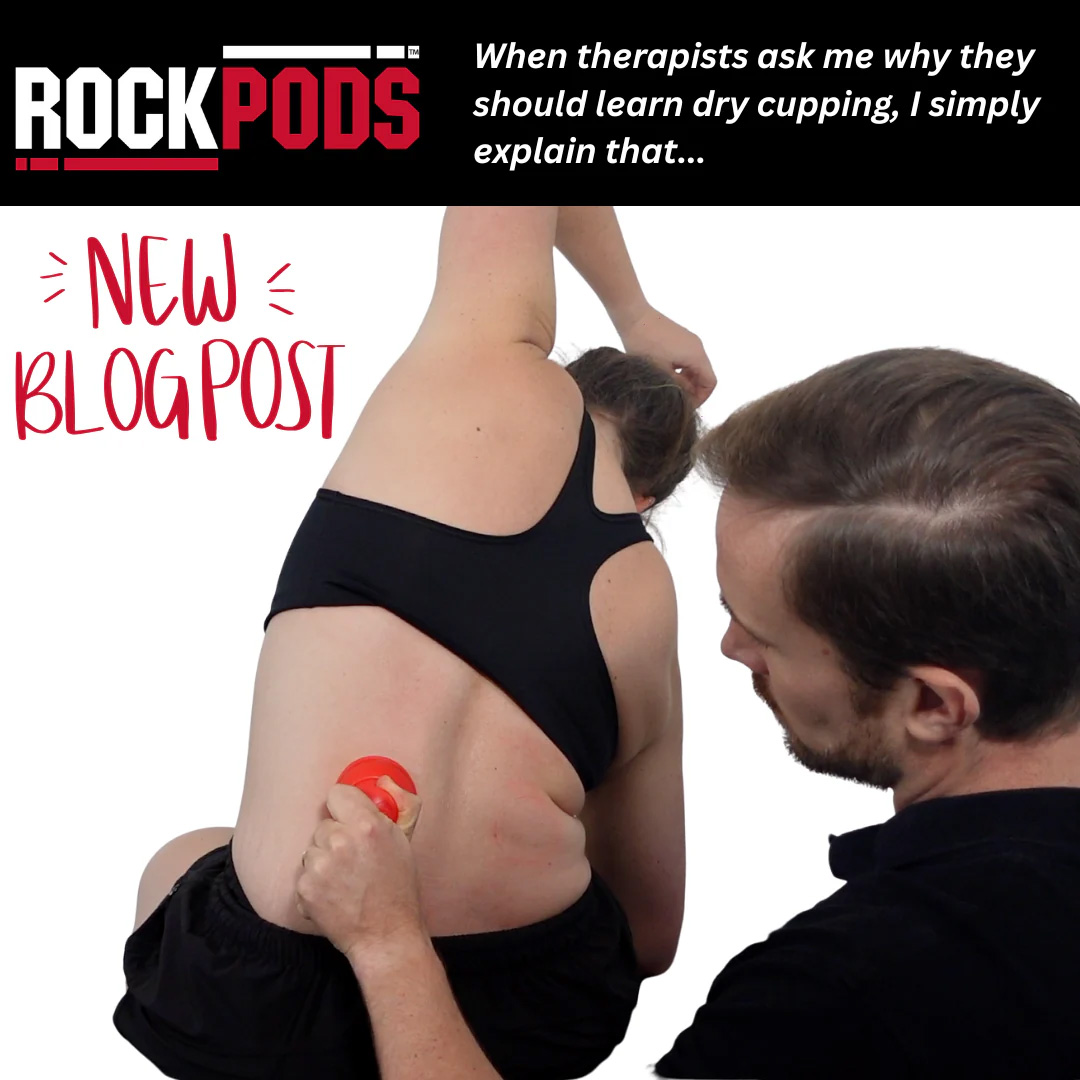
When therapists ask me why they should learn dry cupping, I simply explain that cupping allows you to decompress in a world of compression.
I then go on to explain that you can use RockPods to perform many of your regular massage techniques while providing an entirely unique therapeutic experience — one that clients will be talking about long after they leave the clinic.
Furthermore, when you add in the RockPod movement techniques, cupping progresses from the treatment table to the rehab room — and it’s here that real pain relief and sustained changes occur.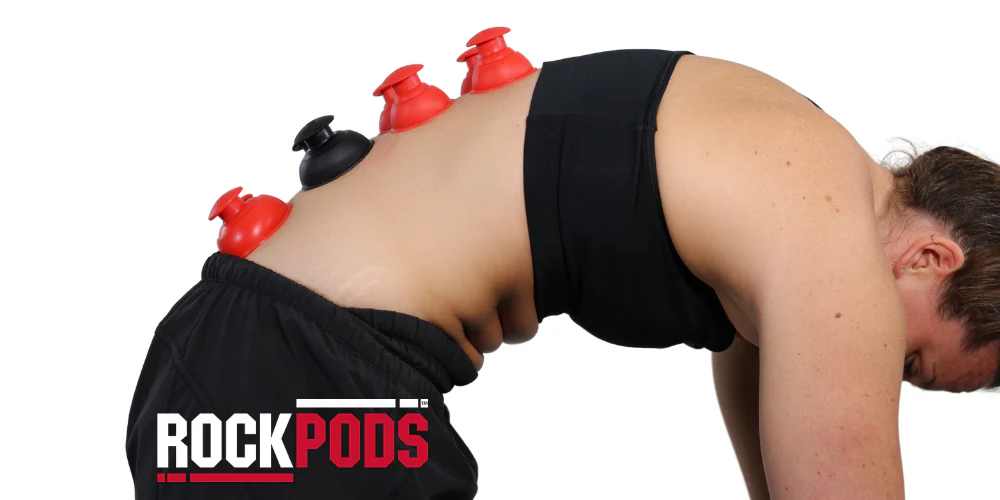
What makes RockPods cupping courses so different from many others is their unique combination of decompression and movement.
This brings me to why I choose RockPods for most of my cupping applications.
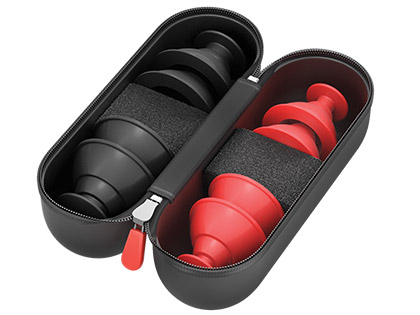
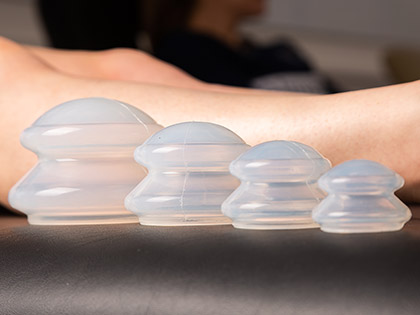
The silicone pods can be applied quickly with one hand — no extra tools are required, and this speeds up the application process.
During movement, skin stretch can alter the vacuum in the cups. This can cause excess strain and discomfort if the cup is rigid and unable to deform.
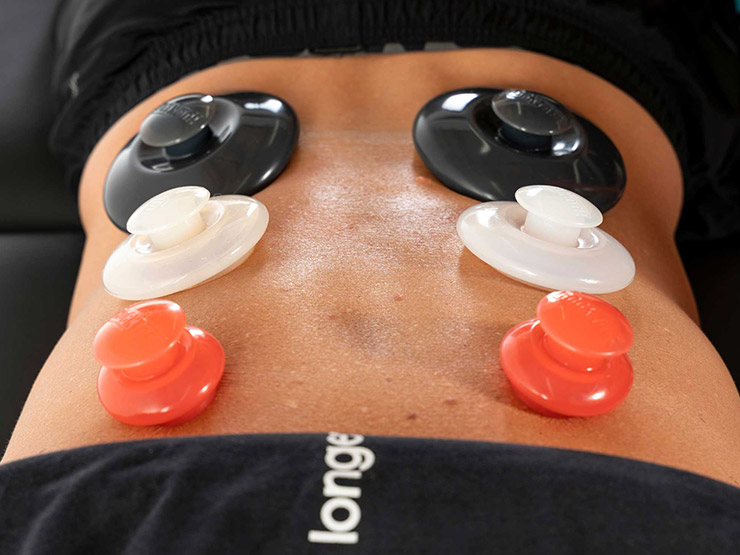
With silicone RockPods, the vacuum pressure cannot reach too high a level because the pod deforms in response to excess vacuum.
And finally, when performing active cupping techniques, it’s common for the pods to fall off during end-range or repeated stretching.
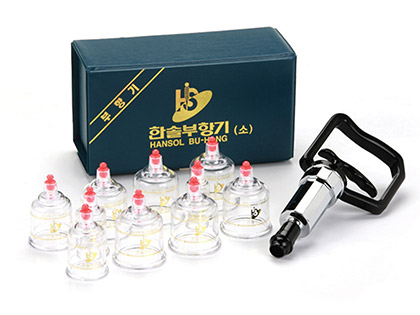
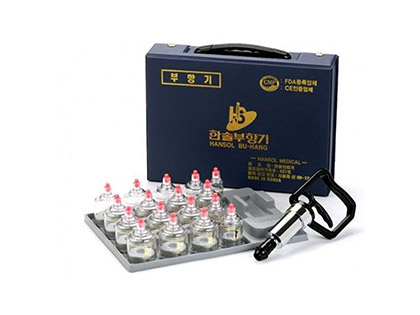
The silicone RockPods will not be damaged by this, and the patient won’t consider it a problem — unlike plastic cups, which may crack. And I don’t need to tell you not to use glass cups for active cupping!
If you already use RockPods, let us know your favourite technique. If you don’t yet use them and have some questions, please email [email protected] or send us a direct message on Facebook, Instagram, LinkedIn or TikTok.
For more information on Cupping, please view our Cupping Therapy Guide






Did you find this article useful?
Why not share this with a colleague, patient or friend?