Myofascial Release: What is Myofascial Release (MFR)?
Myofascial Release: What is Myofascial Release (MFR)? Understanding the Therapy, Its Benefits and Effectiveness

Myofascial release (MFR) is one of the most talked-about techniques in physiotherapy, sports therapy and fitness. You will find it in clinics and gyms and, thanks to the foam roller, in plenty of living rooms too. But what exactly is it, how does it differ from a standard massage, and does it actually work? If you're new to the world of myofascial release, this guide will cover definition, history, common uses, trigger points and what the research says, so you can decide whether it deserves a place in your routine.
What Is Myofascial Release?
Myofascial release (MFR) is a form of manual therapy that applies gentle, sustained pressure to the muscles and the connective tissue that surrounds them. It is described as a low-load, long-duration stretch applied to the myofascial complex, with the aim of restoring optimal tissue length, reducing pain and improving function [1].
The word "myofascial" combines "myo", meaning muscle, with "fascia", the connective tissue, which is why you may also see the technique called myofascial therapy or myofascial massage. MFR is used by physiotherapists, sports therapists, massage therapists and personal trainers. It can also be done on yourself, which is known as self-myofascial release (SMR).
What Is Fascia?
Before we can dive into the world of MFR, we must first understand the tissue that it targets. Fascia is a soft and loose connective tissue that runs throughout the body, surrounding and linking muscles, bones, nerves, blood vessels and organs. It is best pictured as cling film that covers the body rather than separate parts; it is made of one continuous web and is a thin, dense, elastic connective tissue primarily made of collagen. It responds to internal and external stimuli because it has nerves that are very sensitive (almost as much as our skin). It is therefore very effective for sending and receiving signals around the body.
Fascia is made up of multiple layers, and between each is a liquid called hyaluronan (hyaluronic acid). Hyaluronic acid acts as a lubricant for the fascia to stretch and move and can dry up due to inflammation, leading to restricted muscle movement and pain.
The layers of fascia are[2]:
- Superficial fascia, found just beneath the skin.
- Visceral fascia, which surrounds the internal organs.
- Parietal fascia, which lines the walls of major body cavities and creates a shield and boundary between the moving body and the internal organs.
Where Does Myofascial Release Come From?
The roots of MFR can be traced back to the 1940s, but the term "myofascial release" was not proposed until 1981[3], when it was first used in a course of the same name[4].
Since then, several practitioners have developed and popularised the approach. One of the best-known is John F. Barnes, an American physical therapist who has taught his version of MFR to therapists internationally.
Myofascial Release Techniques
Myofascial release techniques fall into two broad groups.
Therapist-led techniques: A trained practitioner applies slow, sustained pressure or stretch to an area and holds it until the tissue feels as though it is easing. Hands, fingers, knuckles or forearms may be used[5]. Sessions tend to be slower and less rhythmical than a standard massage. This gives the therapist more control over the treatment by allowing them to manipulate the tissues in a variety of ways, and if you find a tender spot, hold pressure for 30 to 60 seconds to help relieve tension. It is important to note that MFR requires participation by both the therapist and the patient throughout the treatment to manage comfort levels and pain thresholds.
Some massage products are effective for targeting fascial tissues; for example, Songbird’s fascial release wax is another product designed specifically for the purpose of myofascial release. Whilst traditional MFR practices don’t involve a medium like oils or lotions due to the need for direct contact with skin, this wax was developed in consultation with James Earls, an international lecturer in fascial release techniques, to provide extra grip and extra tissue control, which is essential for properly targeting fascial tissues.
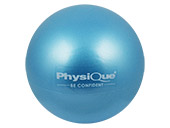
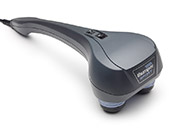
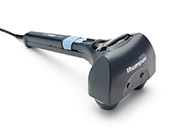
Self-myofascial release (SMR) uses release tools such as foam rollers and massage balls to apply pressure to your own tissues. It is described as a popular way of improving myofascial mobility, and the tools are often recommended for use at home after workouts to help prepare muscles and support recovery [3].
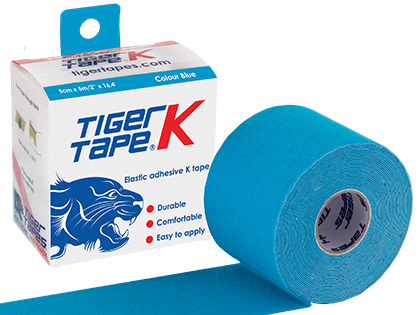
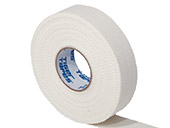
Even five to seven minutes of self-myofascial release can provide benefits. If you want to try it, see our guides to massage balls and foam roller exercises. Kinesiology tape can also be used to 'offload' myofascial structures, with research showing some positive results when used alongside manual pressure release [6].

What Is Myofascial Release Used For?
MFR is used by people recovering from injury, scarring, inflammation such as plantar fasciitis, compressed nerves, repetitive strain injuries and athletes looking to stay mobile, as it helps promote blood circulation to damaged tissues. Practitioners commonly work on the neck and shoulders, lower back, hips, thighs, calves and the soles of the feet, often in attempts to relieve pain and improve joint movement in common problem areas. It is most often associated with[4]:
- Low back pain, around 90% of which is considered non-specific low back pain.
- Lateral epicondylitis, better known as tennis elbow.
- Heel pain and plantar fasciitis.
- Fibromyalgia.
- Repetitive strain injuries, including golfer's elbow.
- Scarring like frozen shoulder, burns and surgery.
The first four appear in the clinical trials reviewed in the research below.
Does Myofascial Release Work? What the Research Says
The honest answer is that the evidence is mixed. A systematic review of randomised controlled trials found the literature varied in both quality and results[2]. A 2018 review looked at eight trials covering lateral epicondylitis, fibromyalgia, low back pain and heel pain, with some fibromyalgia studies reporting improved sleep quality although findings remained mixed. It concluded that the evidence was not sufficient to warrant MFR as a treatment for chronic musculoskeletal pain, which generally lasts for more than three months[7].
Results for chronic low back pain are more encouraging. A 2021 systematic review and meta-analysis concluded that MFR may be an effective option for managing chronic musculoskeletal pain, although it did not significantly improve quality of life[8].
Some of the reported benefits of the therapy include [1]:
- Reduction in pain
- Increase in range of motion
- Neutralisation of posture and alignment
- Restoration of optimal myofascial length-tension relationships
- Harness efficient movement and maximise function
In practice, that means MFR is best seen as one tool among several, rather than a guaranteed fix.

Trigger Point Therapy and Myofascial Release
Trigger points are tender, knot-like spots in a muscle that can cause pain locally or at a distance, and in some cases contribute to widespread pain. They are closely associated with myofascial pain syndrome, a chronic pain condition[9].
Trigger point therapy, sometimes offered as trigger point massage, applies focused pressure to one tender spot, which can restrict movement, while MFR works more broadly at releasing tension in the surrounding myofascial tissues through slow, sustained pressure and stretch across a larger area of tissue. The two are often used together, and both sit among the many techniques used for myofascial pain[10].

Myofascial Release Therapy vs Standard Massage Techniques
Both involve hands-on work on muscles and other soft tissues, so they can feel similar, but the aims and approach differ.
|
Standard Massage |
Myofascial Release |
|
|
Main Aim |
General relaxation and easing muscle tension. |
Easing myofascial restrictions. |
|
Technique |
Rhythmic strokes and kneading. |
Slow, sustained pressure and stretch. |
|
Pace |
Continuous movement. |
Holds in one area until tissue eases. |
Myofascial release massage uses slower, sustained pressure rather than the rhythmic strokes typical of standard massage techniques.
Is Myofascial Release Safe?
Because MFR can involve firm, sustained pressure, some soreness afterwards is possible, especially if fascia has become restricted after injury, inflammation, or poor posture, which is one reason treatment can feel intense. Some people may need to avoid it or seek medical advice first [5]. You may feel pain if you use too much pressure during SMR, so speak to a GP or physiotherapist before starting if you have a medical condition, an injury or unexplained pain, and stop if anything feels sharp rather than a tolerable pressure. If you try self-myofascial release or foam rolling, start with gentle pressure and stay within a tolerable range.
Final Thoughts
Myofascial release is a popular, accessible way to work on tight muscles and fascia, whether through a therapist or at home with a foam roller or massage ball. The research is still developing, and the strongest evidence so far is for short-term gains in mobility rather than long-term cures. Used sensibly, and alongside advice from a professional, it can be a useful part of a wider rehab or recovery plan. Browse our range of foam rollers and massage tools to get started.
Sources and References:
Myofascial release (MFR): An overview (2024) Hospital for Special Surgery. Available at: https://www.hss.edu/health-library/conditions-and-treatments/myofascial-release.
Lv, Y. and Yin, Y. (2024) “A review of the application of myofascial release therapy in the treatment of diseases,” Journal of Multidisciplinary Healthcare, Volume 17, pp. 4507–4517. Available at: https://doi.org/10.2147/jmdh.s481706.
Ajimsha, M.S. et al. (2015). Effectiveness of myofascial release: systematic review of randomized controlled trials. Journal of Bodywork and Movement Therapies, 19(1), pp.102-112. https://pubmed.ncbi.nlm.nih.gov/25603749/.
Cheatham, S.W. et al. (2015) “The effects of self-myofascial release using a foam roll or roller massager on joint range of motion, muscle recovery, and performance: A systematic review,” International Journal of Sports Physical Therapy, 10(6), p. 827. Available at: https://pmc.ncbi.nlm.nih.gov/articles/PMC4637917/ .
Lv, Y. and Yin, Y. (2024) “A review of the application of myofascial release therapy in the treatment of diseases,” Journal of Multidisciplinary Healthcare, Volume 17, pp. 4507–4517. Available at: https://doi.org/10.2147/jmdh.s481706.
Schleip, R., Jäger, H. and Klingler, W., 2012. What is ‘fascia’? A review of different nomenclatures. Journal of bodywork and movement therapies, 16(4), pp.496-502.
Cleveland Clinic (2022) Fascia - connective tissue, Cleveland Clinic. Available at: https://my.clevelandclinic.org/health/body/23251-fascia.
Ferrillo, M. et al. (2026) “Efficacy of myofascial release therapy and related soft-tissue techniques for pain in temporomandibular disorders: A systematic review of randomized controlled trials,” Journal of oral rehabilitation, 53(10), pp. 1972–1984. Available at: https://doi.org/10.1111/joor.70271.
McKenney, K., Elder, A. S., Elder, C., & Hutchins, A. (2013). Myofascial Release as a Treatment for Orthopaedic Conditions: A Systematic Review. Journal of Athletic Training, 48(4), 522–527. https://doi.org/10.4085/1062-6050-48.3.17
John F. Barnes, PT - myofascial release - John F. Barnes, PTwww.myofascialrelease.com. Available at: https://www.myofascialrelease.com/about/johnfbarnes.aspx.
Gao, Y. and Gao, D. (2026) “Myofascial release and fascial-targeted mechanical interventions in musculoskeletal rehabilitation: Mechanisms, modalities, and integrative physiology,” Frontiers in Physiology, 17. Available at: https://doi.org/10.3389/fphys.2026.1801306.
Moore, R. (2016) Can kinesiology tape enhance manual trigger point therapy? #TapeTuesday - performance health academy, Performancehealthacademy.com. Available at: https://www.performancehealthacademy.com/can-kinesiology-tape-enhance-manual-trigger-point-therapy-tapetuesday.html.
Laimi, K. et al. (2018). Effectiveness of myofascial release in treatment of chronic musculoskeletal pain: a systematic review. Clinical Rehabilitation, 32(4), pp.440-450. https://doi.org/10.1177/0269215517732820.
Wu, Z. et al. (2021). Myofascial release for chronic low back pain: a systematic review and meta-analysis. Frontiers in Medicine. https://doi.org/10.3389/fmed.2021.697986.
Zhai, T. et al. (2024) “Advancing musculoskeletal diagnosis and therapy: A comprehensive review of trigger point theory and muscle pain patterns,” Frontiers in Medicine, 11. Available at: https://doi.org/10.3389/fmed.2024.1433070.
Suresh, A., L. A., R.C. and Mohan, P. (2021) “A comparative study on the effects of trigger point release vs myofascial release for myofascial trigger points of upper trapezius in smartphone users,” International Journal Of Scientific Advances, SP(1). Available at: https://doi.org/10.51542/ijscia.spi1.03.
Davis, T. (2017) Fascia and how myofascial release differs to massage therapy, TotalMSK. Available at: https://www.totalmsk.co.uk/myofascial-release-mfr/.









Did you find this article useful?
Why not share this with a colleague, patient or friend?