Kinesiology Tape: What It Is, How It Works and How to Apply It

You've probably seen athletes wearing bright strips of tape on their knees, shoulders, backs or calves. Tennis champion Novak Djokovic is among the elite names spotted wearing it, and it's a regular sight at the Olympics and in professional sport [1] [2]. If you’ve ever wondered what that colourful tape is and why professionals use it, then this article is for you.
What Is Kinesiology Tape?
This tape is mainly known as kinesiology tape, but you might also hear people referring to it as kinesio tape, K tape or kt tape. Once a niche product, it's now used by athletes, physical therapists and everyday exercisers for pain relief, injury prevention, recovery, or to improve blood flow[3].
This guide explains where it came from, how kinesiology tape works, how to apply it, how to remove it safely and how to choose a good-quality roll.

Where Did Kinesiology Tape Come From?
Kinesiology tape was developed in Japan in the 1970s by chiropractor Dr Kenzo Kase. He wanted a tape that could support muscles and joints without limiting movement, unlike traditional athletic tape (like zinc oxide), which is rigid and designed to restrict motion[5][6].
The result was a thin, stretchy cotton-blend tape with a skin-friendly adhesive, designed to mimic skin’s elasticity, which can typically stretch to around 140% of its original length. Its profile grew after it appeared at major international sporting events, and it is now sold worldwide in many brands, widths and colours[7][8].
Who Uses Kinesiology Tape Today?
Kinesiology tape is now used well beyond elite sport. Typical users include[7]:
- Sports therapists, physical therapists and rehabilitation specialists who use it alongside sports physical therapy, bodywork and movement therapies.
- Everyday exercisers managing aches and strains.
- People looking for light support during daily activity.
Common uses include[9]:
- Knee pain and knee injuries.
- Hamstring strain.
- Shoulder and rotator cuff problems.
- Tennis and golfer's elbow.
- Shin splints
- Plantar fasciitis
- Ankle sprains
- Swelling
- Muscle relaxation and fascia.
People use it for pain management, to improve lymphatic flow, or for support during recovery from sports injuries. Some athletes also use it as part of their routine to support athletic performance[9].
How Does Kinesiology Tape Work?
Unlike rigid tape, which compresses an area to restrict movement, kinesiology tape is designed to imitate skin elasticity to let you move through a full range of motion while still giving flexible support[10].
The main theories behind how it works are:
It's worth noting that these are proposed mechanisms, and research is still ongoing. We cover the evidence below.
How to Apply Kinesiology Tape
Applying kinesiology tape correctly makes a real difference to how well it sticks and how comfortable it is. Different injuries call for different application techniques, so it's worth learning the basics. If you're unsure, ask a physio or sports therapist to show you[14].
Common taping techniques
- I strip: a single straight strip. The simplest and most common shape, used for muscles such as the calf or hamstring.
- Y strip: a strip split into two tails, used to wrap around a muscle belly, for example around the shoulder.
- X strip: two strips crossed over a point of pain, often used around the knee or back.
- Fan strip: a strip cut into several tails, often used for swelling.
Step-by-step: how to apply the tape
- Measure and cut. Measure the length you need for the area, then cut the tape. Round the corners to stop them catching on clothing and peeling.
- Tear the backing paper in the centre and peel back from the middle, keeping the ends covered.
- Apply the anchors with no stretch. The first and last 2- 3 cm of the tape should be laid down with no tension at all. This gives a secure base and helps stop the ends from lifting.
- Apply the middle section. Stretch the centre of the tape to the level of tension suited to your goal. Most applications use light tension. Avoid over-stretching, particularly around joints.
- Lay down the final anchor with no stretch.
- Activate the adhesive. Rub along the whole length of the tape to generate warmth, then smooth out any wrinkles or bubbles from the centre outwards.
Pro Tip: If you’re overlaying K Tape strips for your application, it’s important to apply the overlapping anchor points directly onto the skin and not onto the tape to ensure your application lasts longer and you get effective support.
Be careful when taping around joints and avoid stretching so much that it restricts natural movement. Never apply the tape to open wounds[9][15].
How to Remove K Tape Safely
Kinesiology tape can be worn for up to five days. Keeping it on for longer may lead to skin irritation.
To remove it comfortably:
- Start peeling the tape slowly, pulling it back over itself at a 180-degree angle. Pulling towards the skin may cause discomfort.
- Support the skin with your free hand as you peel to minimise discomfort and reduce the risk of skin irritation.
- If any adhesive residue remains, gently rub it with oil or warm soapy water. Avoid aggressive scrubbing to prevent skin irritation
- Once the tape is removed, clean and dry the skin thoroughly. Allow the skin to breathe before applying a new tape if necessary.
To help prep your skin for kt tape application, we recommend you use a pre-tape adhesive. Here are two of our favourites:
- Mueller Tuffner® Quick Drying Spray is an easy-to-use tape adherent that helps tape and wraps stay in place better and longer, ideal for wet conditions and when taping sweaty parts of the body such as feet.
- Tensospray® Pre-Tape Adhesive helps to make taping procedures more secure and last longer, excellent for the most demanding sports environment.
To aid safe and painless tape removal, we recommend the Mueller Tape & Tuffner Remover, ideal for removing sports tape, bandages and adhesive sprays from the skin with a pleasant citrus aroma.
When Not to Use Kinesiology Tape
Kinesiology tape is generally well tolerated, but avoid it or check with a healthcare professional first if[17]:
- You have fragile skin or a risk of skin damage.
- You have a known adhesive sensitivity, or you develop an allergic reaction such as redness, itching or blistering. We recommend you conduct a patch test before full application.
- You have a condition affecting circulation, such as a suspected blood clot, or a medical condition such as diabetes.
- You have an active skin infection or skin condition in the area.
- You are pregnant or are unsure whether taping is appropriate for you.
If you're in any doubt, check with a doctor or physiotherapist first.
How to Spot Good-Quality Kinesiology Tape

Cheaper tapes are widely available, but the adhesive and stretch are often poor, and they can peel off early, meaning you spend more time and money reapplying. If you’re thinking of purchasing k tape, make sure you look for[18]:
- Good stretch and recovery: the tape should stretch and spring back to its original length.
- Water-resistant performance, so it survives showers and sweat.
- Latex-free materials, which are kinder to sensitive skin.
- Trusted by professionals: brands used by sports teams and clinicians.
Cut vs uncut tape
Pre-cut tape is convenient, but standard rolls give you far more control. Everybody is a different shape and size, and a roll lets you cut the tape application to fit exactly. Rolls also offer better value and are easier to adapt to a spe
cific problem or body area.
Width and how much you need
- Wider 10cm tape: useful for larger areas such as the back, thighs and chest.
- 5m rolls for personal use, and 32m clinic rolls for practitioners and frequent users.
Our Full Range of Kinesiology Tapes
We stock tapes that have been tested by the sports healthcare professionals we supply, including national teams and elite athletes.

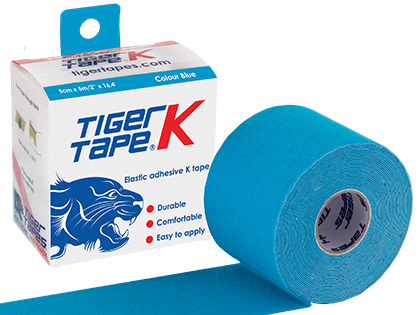
Tiger Kinesiology Tape
Featuring the best materials available Tiger K Tape is right up there with the more expensive tapes.
• Compared to other leading brands, the quality, stretchiness, stickiness and durability of Tiger K Tape has proven to be just as good while protecting your wallet.
Used by many professional athletes and sports teams, even during the Olympic Games. Available in multiple colours, including Blue, Pink, Purple, Orange, Black, Black Logo, White, Navy Blue, and Beige.
It is also now available in a wider version, 10cm, which is suitable for larger areas.

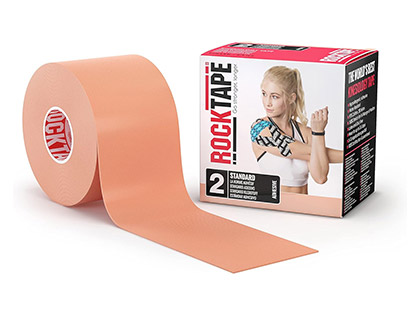
RockTape - Kinesiology tape
• One of the leading names in kinesiology tape, with excellent adhesion and a great range of colours and designs.
Also available in 10cm width and clinic rolls.

Tiger Kinesiology Tape - Clinic Roll
If you use Kinesiology tape frequently, you will save loads with this handy 32m long roll.
Exactly the same as the standard 5m tape, but on a massive 32m roll that will provide you with lots of treatments.
Perfect for practitioners, we stock Tiger K Tape and RockTape in clinic rolls.

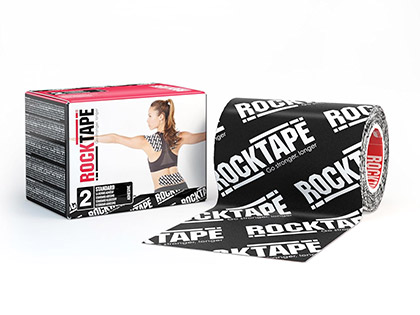
RockTape Kinesio Tape - 10cm x 5m
• Great for covering large areas and when more specific shapes are needed.
RockTape team have repeated their high-quality tape on a wider 10cm roll. Ideal for treating knees, thighs, shoulders, back or chest.

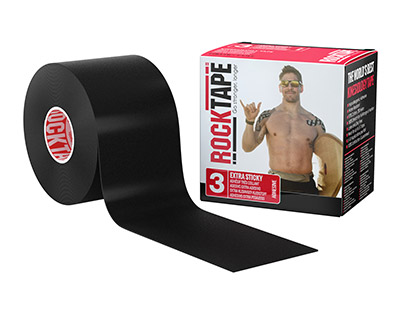
RockTape Extra Sticky - Waterproof Kinesio Tape
• An extra sticky version with twice as much adhesive, designed for water sports such as surfing, water polo, triathlon and open-water swimming, and also for very sweaty areas such as feet.
Does Kinesiology Tape Work?
The honest answer is that it depends on what you're hoping for. Many athletes and therapists report that the tape helps them feel more supported and more aware of a joint or muscle, and the anecdotal evidence is strong. Research is more mixed. Several systematic reviews and meta-analyses have found that kinesiology tape may offer small benefits for pain relief in some musculoskeletal conditions, but evidence for large improvements in muscle strength or performance is limited[19].
The main benefits users report are[10][13]:
- A reduction in pain for some conditions.
- Comfort, because it's thin, flexible and long-lasting.
- Water resistance for use during activity and showers.
- Versatility across many sports and areas of the body.
It isn't a cure, and it isn't a substitute for proper diagnosis, treatment or rehab. It's best used alongside advice from a healthcare professional.
Does Tape Colour Make a Difference?
Kinesiology tape is sold in blue, pink, black, beige and many other colours. There's no robust evidence that colour changes how well the tape works. The adhesive, stretch and application technique matter far more. Colour is mostly a matter of personal preference, whether you want it to match your kit, stand out or blend in with your skin tone[20]. While colour may not matter that much in your day-to-day application, hot weather might have some influence, so be sure to check our guide on how to choose The Best Kinesiology Tape for Hot Weather.
Final Thoughts
Kinesiology tape is a lightweight, versatile way to add support and may help relieve pain without restricting movement. Quality matters, as does technique, so choose a good tape, apply it carefully with unstretched ends, and remove it gently. For persistent or severe pain, speak to a healthcare professional first.
Ready to try it? Browse our full range of Kinesiology Tape.
Tiger Tapes - Official Sports Tape and Strapping Supplier to...




...plus many more
Table of Contents
Further Reading
Exercise Guides
Buyers Guides
Related Products

Tiger K Tape 5cm x 5m
(131)


Tiger K Tape 32m
(16)



Did you find this article useful?
Why not share this with a colleague, patient or friend?