Stay in the Game - 6 Ways to Reduce Injury Risk
Over the last decade, research has repeatedly shown the positive impact of regular exercise on our overall health[1]. As people in England get more active, with more than 30 million adults meeting recommended levels of physical activity[2], more people exercising also means more people exposed to injury risk[3].
Whether you are a professional athlete or someone who loves exercising, sports injuries can be more than a nuisance, as they can affect not only your physical well-being but your mental welfare and quality of life[4].
While some sports injuries are completely unavoidable, this guide will give you some tips on what you can do to prevent injuries and look after your body so you can stay active and injury-free for longer.

What causes sports injuries?
Sports injuries can affect your muscles, bones, joints, ligaments and tendons. Common causes include accidents such as a fall or heavy blow, an incorrect warm-up, using unsuitable equipment, poor training practices, poor health, poor technique and pushing yourself too hard[5].
Acute injuries happen suddenly, for example, joint injuries, muscle injuries, a sprained ankle or broken bones. Overuse injuries build up gradually through repetitive motions or too much training without enough recovery, where key factors can include previous injury, fatigue, poor biomechanics and excessive strain. In many sports, that can lead to Achilles tendon injuries, pain along the shin bone or stress fractures. Previous injury can also raise the chance of future injuries and leave you at higher risk if you return before you’re ready[6]. The habits below focus on the risk factors you can control: how you prepare, how much you train, how well you recover and what you wear and use.
This guide is not a substitute for professional medical care, and if you’re recovering from an injury, follow your healthcare professional’s instructions when setting up a rehab plan.
1. Warm Up Properly (and Stretch Smartly)
A good warm-up is one of the simplest ways to reduce your injury risk. It raises your heart rate, which increases blood flow and delivers more oxygen to your muscles. It also helps your nerves and muscles work together, so your movements feel smoother and more efficient[7].
Structured warm-up programmes have been tested in research and have shown positive outcomes compared to warming up as usual. In a trial of 1,892 female footballers aged 13 to 17, a warm-up combining strength, balance and running exercises reduced injuries overall by around a third, severe injuries by almost half, and roughly halved overuse injuries[8].
Sports therapists and coaches often recommend the RAMP approach when designing a warm-up. It has three phases[9]:
-
Raise – increasing your body temperature, blood flow, heart rate, and respiration rate through low-intensity activities.
-
Activate and Mobilise – activate key muscle groups and mobilise joints.
-
Potentiate – gradually increase the intensity of your activity.
Stretching is a little more complicated, with mixed evidence of its help in preventing injuries[10]. But that does not mean you should skip it. A review of the research on muscular injury found that certain warm-up and stretching protocols did help to deter injuries[11]. Stretching can also help you maintain your range of motion, and many coaches and sports therapists favour dynamic stretches (controlled movements such as leg swings) before exercise and static stretches afterwards[12]. A warm-up of around 5 to 10 minutes, starting with gentle jogging, cycling or marching on the spot, is a sensible target[13]. After training, gentle stretching exercises can help ease muscle tension and aid recovery.
A foam roller is a popular tool for warming up and mobilising your muscles, and athletes and sports enthusiasts use it to help increase their range of motion.
For more information, read our guides on Foam Roller Exercises and Foam Roller Fundamentals.
Soft Tissue Release with a Foam Roller
These exercises are great for runners because they cover the thigh, calf, quadriceps and lateral quad muscles.
Foam Rollers are used as part of a recovery strategy by England and GB Hockey.
Glute Activation with Resistance Bands
This is an example of how to use mini resistance bands for glute activation, as mentioned earlier muscle activation is important for injury prevention.
2. Set Your Limits and Build Up Gradually
Knowing your limits and sticking to them until you have earned the next step up is another key tip. Pushing harder every session can be tempting because it can boost your performance. The real gains, however, come from consistency, moderation and patience.
Training too much, too hard or too quickly is a common route to overuse injuries. The European College of Sport Science and the American College of Sports Medicine explain that successful training involves overload but must avoid combining excessive overload with inadequate recovery[14]. Aim to increase your activity gradually, watch for changes in movement patterns, and avoid pushing your body beyond your current fitness level[15].
Staying within your limits helps you avoid unnecessary injuries, and it lets you improve steadily at a rate that supports your overall performance.
3. Listen to Your Body
This should be a golden rule for anything to do with your health. Your body is good at telling you when something is wrong or when you are overdoing it.
Listening to your body does not mean waiting for severe pain. While some muscle soreness might be expected, persistent and worsening pain is not[16]. Overuse injuries develop over time, so you will often notice your muscles, ligaments or tendons starting to feel the strain first. Minor aches can get worse if you ignore them, so it’s a good idea to address them early.
If a niggle doesn’t settle, speak to someone with medical experience, such as a physiotherapist, sports therapist or your GP. A professional can advise you and may offer treatments that help relieve pain and prevent further injury.
One option is sports massage, a soft-tissue treatment that targets your muscles, tendons and ligaments.
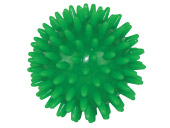
For self-massage, foam rollers, massage rollers and massage balls are useful tools. A massager, such as Thumper massagers, can also be helpful, especially if you do a lot of exercise.

4. Make Recovery a Priority
You might want to push yourself harder or think that working through the pain is the answer, but recovery is essential. Rest helps your muscles and joints adapt to the amount of exercise you are doing, so to demand more from your body, you first have to let it recover.
When athletes do not respect the balance between training and recovery, they can slip into non-functional overreaching, where performance stalls or declines instead of improving[14]. Overtraining can set back your progress and increase your risk of repetitive strain injuries, which can take longer to recover from[17].
The simplest way to recover better is to take a rest day when you can and alternate exercise by rotating different muscle groups to help avoid overuse problems. That does not mean spending the whole day idle. If you are a runner, rest your legs and do some upper body strength training to support joint stability. If you prefer the gym, focus on muscle groups you do not usually train or try something different, such as Pilates. Proprioception exercises are another gentle way to fine-tune your body without placing too much demand on it.
After an injury, returning to strenuous activity too soon can be risky, so complete as much rehab as needed and as recommended by your physiotherapist; personalised rehabilitation programs can help prevent recurrent injuries.
Take a look at our top 10 recovery products for tools that may help to aid your recovery.

5. Build Strength and Conditioning
The tips so far will help you prepare, but to avoid as many injuries as possible, you also need to prepare your body for the demands of your sport with a balanced plan that includes cardiovascular work as well as strength and conditioning. That is where the correct safety steps around training load, footwear, and kit also come in for the prevention of injuries.
Research from 25 randomised trials found that strength training cut sports injuries to less than a third of the rate seen in comparison groups, and almost halved overuse injuries. Proprioception training also reduced injuries by almost half[18] [19].
Strength training aims to make your muscles, ligaments and tendons stronger so you can handle more load and perform at a higher level. It is usually done with products such as resistance bands and ankle weights, and an S&C coach will typically give you a programme of exercises to follow.
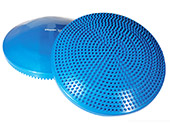
Conditioning covers a range of things, usually including proprioception, agility, balance, speed and reaction time. You can improve your proprioception with proprioception exercises, which make use of many balance and stability products.
It is a good idea to focus strength and conditioning training on the muscles and joints you use the most. If you are a runner, for example, you might concentrate on your knees, thighs, calves and feet.
Proprioception Exercises
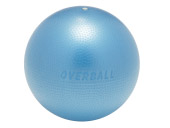
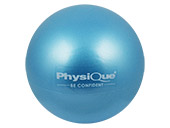
This is a simple proprioception exercise that you can do with a gym ball
6. Use the Right Support and Protective Equipment
Using unsuitable equipment is a recognised cause of sports injuries[5], so choose gear that suits your sport and wear the protective equipment required for such as mouth guards in contact sports.
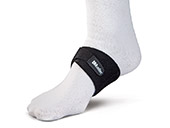
You can also use supports and braces to give extra support during training or when a muscle feels weak. They may help you avoid injuries, but they are designed to help manage injuries and rest the injured body part. It is sensible not to rely on a support all the time, unless it helps your training or you have a previous injury and want to help prevent it recurring[20].
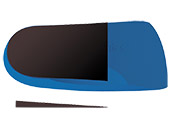
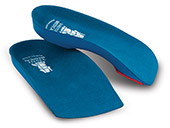
Another useful support could be wearing the orthotics and insoles, as recommended by your healthcare professional. They are designed to support your feet during high-impact activities and may provide biomechanical control that helps improve overall posture and reduce stress on the lower back muscles[21].
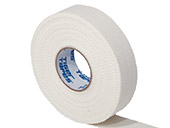
There are other ways to support your joints too. EAB strapping is widely used in sport to help secure joints and restrict their range of motion, which may help to prevent unwanted injuries.
Strapping Technique for Knee Support
This is an example of a knee medial joint support taping technique used in rugby.Final Thoughts on Preventing Sports Injuries
To help prevent sports injuries, prepare your body before you take part in physical activity, avoid overdoing it, and give yourself time to recover. Strength and conditioning work then helps you be ready for your next event or training session. Remember:
-
Warm up for 5 to 10 minutes and use dynamic stretches before you start.
-
Set your limits and increase your training load gradually.
-
Listen to your body and get advice early if a niggle does not settle.
-
Recover well with rest days and active recovery.
-
Strengthen and condition the muscles and joints your sport uses most.
-
Use the right support and protective equipment for your sport.
This guide is for general information only and is not a substitute for advice from a doctor or physiotherapist.
And if you are going through an injury or recovery, or you’re simply in a tough spot, Spanish tennis champion Rafael Nadal has some words of wisdom: “In your career you have a lot of good moments and bad ones. The important thing is to have enough motivation to keep working all the days with humility and trying to be a better player than before.” Rafa has had plenty of injury setbacks himself, so he knows a thing or two about them.
References
Mahindru, A., Patil, P. and Agrawal, V. (2023) “Role of physical activity on mental health and well-being: A review,” Cureus, 15(1). Available at: https://doi.org/10.7759/cureus.33475.
England is getting more active but not everyone is benefiting | Sport England (2026) Sport England. Available at: https://www.sportengland.org/news-and-inspiration/england-getting-more-active-not-everyone-benefiting.
Jones, B.H., Cowan, D.N. and Knapik, J.J. (1994) “Exercise, Training and Injuries*,” Sports Medicine, 18(3), pp. 202–214. Available at: https://doi.org/10.2165/00007256-199418030-00005.
Heruti, I., Levy, S. and Avitsur, R. (2018) “Physical injury, health, and well-being: Role of stress perception,” Injury, 49(8), pp. 1546–1551. Available at: https://doi.org/10.1016/j.injury.2018.06.022.
Cleveland Clinic (2021) Sports Injuries: Types, Treatment and Prevention, Cleveland Clinic. Available at: https://my.clevelandclinic.org/health/diseases/22093-sports-injuries.
Matava, M.J. (2008) “OVERUSE INJURIES.” American Orthopaedic Society for Sports Medicine.
The importance of warming up before exercise | Ramsay Health UK (2019) Ramsayhealth.co.uk. Available at: https://www.ramsayhealth.co.uk/blog/lifestyle/the-importance-of-warming-up-before-exercise (Accessed: October 30, 2026).
Soligard, T., Myklebust, G., Steffen, K., Holme, I., Silvers, H., Bizzini, M., Junge, A., Dvorak, J., Bahr, R. and Andersen, T.E. (2008). Comprehensive warm-up programme to prevent injuries in young female footballers: cluster randomised controlled trial. BMJ, 337, a2469.
Jeffreys, I. (2007) Warm-up revisited: The ramp method of optimizing warm-ups. professional strength and conditioning. (6) 12-18, ResearchGate. Available at: https://www.researchgate.net/publication/280945961_Jeffreys_I_2007_Warm-up_revisited_The_ramp_method_of_optimizing_warm-ups_Professional_Strength_and_Conditioning_6_12-18.
Witvrouw, E. et al. (2004) “Stretching and injury prevention: An obscure relationship,” Sports Medicine (Auckland, N.Z.), 34(7), pp. 443–9. Available at: https://doi.org/10.2165/00007256-200434070-00003.
Woods, K., Bishop, P. and Jones, E. (2007) “Warm-up and stretching in the prevention of muscular injury,” Sports Medicine, 37(12), pp. 1089–1099. Available at: https://doi.org/10.2165/00007256-200737120-00006.
Bordal, C. (2026) The best stretches to do before and after exercise, Cedars-sinai.org. Cedars-Sinai. Available at: https://www.cedars-sinai.org/stories-and-insights/expert-advice/the-best-stretches-to-do-before-and-after-exercise (Accessed: October 30, 2026).
NHS Lothian (2023). Preventing sports injury (patient information, RHCYP V4.0). NHS Lothian.
Meeusen, R. et al. (2013) “Prevention, diagnosis, and treatment of the overtraining syndrome,” Medicine & Science in Sports & Exercise, 45(1), pp. 186–205. Available at: https://doi.org/10.1249/mss.0b013e318279a10a.
Tips to prevent injury during training | Aston University (no date) www.aston.ac.uk. Available at: https://www.aston.ac.uk/sport/news/tips/fitness-exercise/prevent-injury-during-training.
Maassen, N. (2023) Summer sports injury prevention: Common sports injuries and how to prevent them, Uchicagomedicine.org. UChicago Medicine. Available at: https://www.uchicagomedicine.org/forefront/orthopaedics-articles/spring-exercise-how-to-prevent-injuries (Accessed: October 30, 2026).
Cleveland Clinic (2024) What is overtraining syndrome?, Cleveland Clinic. Available at: https://my.clevelandclinic.org/health/diseases/overtraining-syndrome.
Lauersen, J.B., Bertelsen, D.M. and Andersen, L.B. (2014) “The effectiveness of exercise interventions to prevent sports injuries: A systematic review and meta-analysis of randomised controlled trials,” British Journal of Sports Medicine, 48(11), pp. 871–877. Available at: https://doi.org/10.1136/bjsports-2013-092538.
Lauersen, J.B., Andersen, T.E. and Andersen, L.B. (2018) “Strength training as superior, dose-dependent and safe prevention of acute and overuse sports injuries: A systematic review, qualitative analysis and meta-analysis,” British Journal of Sports Medicine, 52(24), pp. 1557–1563. Available at: https://doi.org/10.1136/bjsports-2018-099078.
Verhagen, E.A. and Bay, K. (2010) “Optimising ankle sprain prevention: a critical review and practical appraisal of the literature,” British Journal of Sports Medicine, 44(15), pp. 1082–1088. Available at: https://search.pedro.org.au/search-results/record-detail/28036.
Cleveland Clinic (2024) Orthotics, Cleveland Clinic. Available at: https://my.clevelandclinic.org/health/treatments/orthotics.









Did you find this article useful?
Why not share this with a colleague, patient or friend?