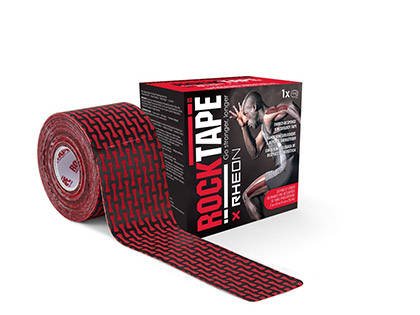
Does RockTape Colour Affect Heat?
Choosing the Best Kinesiology Tape for Hot Weather
When temperatures climb and the sun is shining, most people naturally choose lighter clothing to stay as cool as possible. White shirts, light-coloured hats and breathable fabrics are popular because they reflect more sunlight than darker materials.
But have you ever considered whether the colour of your kinesiology tape could have a similar effect?
If you regularly wear RockTape during sport, rehabilitation or outdoor work, the colour you choose may influence how much solar heat the taped area absorbs when exposed to direct sunlight. Although colour is often selected for appearance, team colours or personal preference, there is some scientific evidence suggesting that lighter shades could be a practical choice during warm weather.
Can the Colour of RockTape Influence Heat Absorption?
Scientific research has shown that colour affects the amount of solar radiation absorbed by a surface.
A study published in 2021 by Paminto, Fianti and Yulianti explored how different colours responded to direct sunlight. During the experiment, researchers covered acrylic containers with coloured materials and monitored temperature changes using digital thermometers after exposure to sunlight.
Their findings demonstrated a clear trend: darker colours absorbed more solar energy and reached higher temperatures, while lighter colours reflected more sunlight and stayed comparatively cooler.
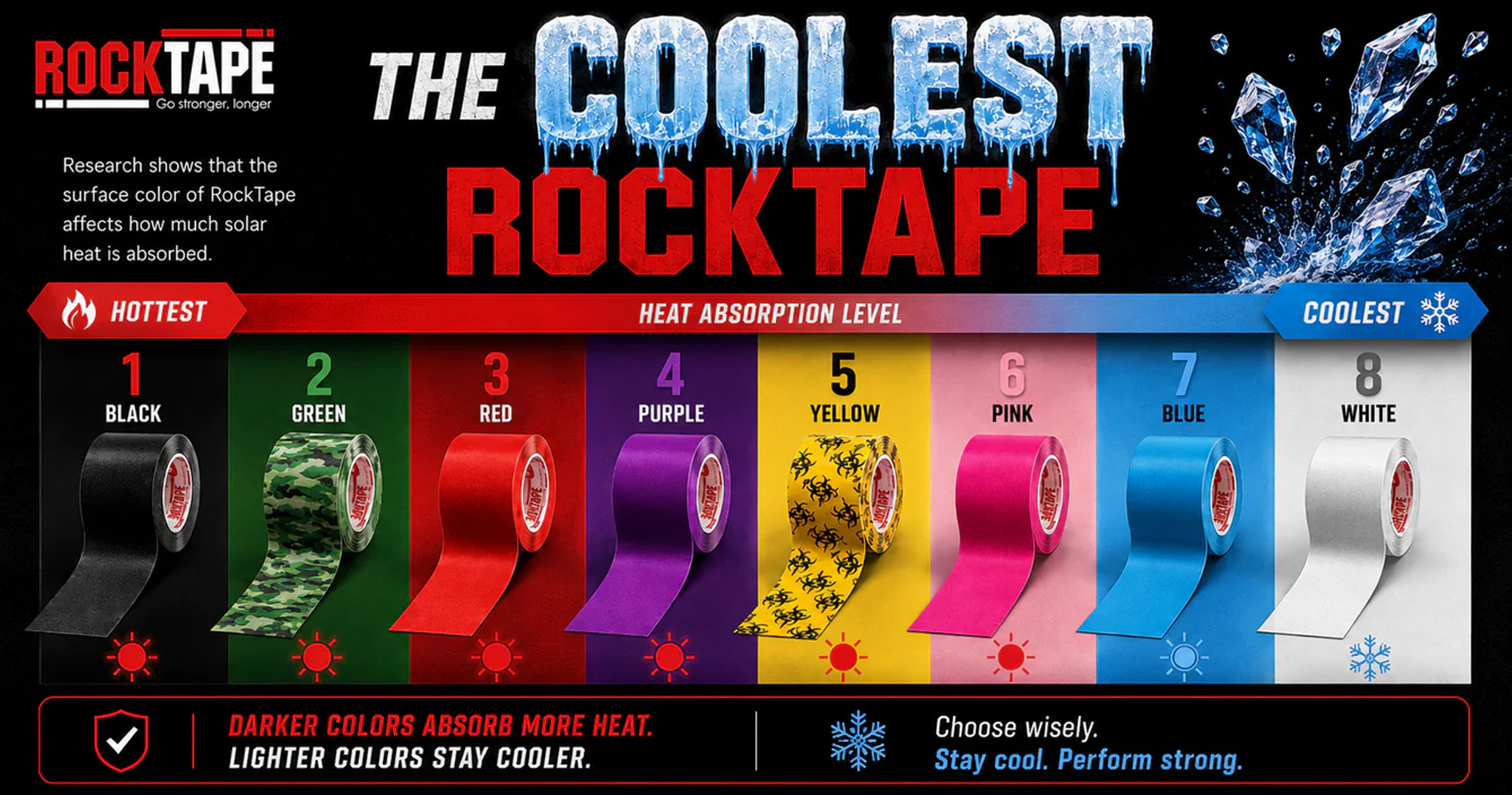
The colours ranked from the greatest to the lowest heat absorption were:
Black → Green → Red → Purple → Yellow → Pink → Blue → White
Black recorded the highest level of heat absorption, whereas white absorbed the least.
What Does This Mean for RockTape Users?
RockTape is commonly applied during running, cycling, gym training, rehabilitation, team sports and everyday movement. Under normal conditions, the tape colour makes little practical difference beyond aesthetics.
However, when exercising or working outdoors in strong sunshine, colour may become more relevant.
If kinesiology tape is applied to an area exposed to direct sunlight—such as the shoulder, knee, calf, ankle, forearm or lower back—a darker colour could absorb more solar heat than a lighter alternative.
This does not suggest that black or darker RockTape is unsafe. Instead, it indicates that choosing a lighter shade may be beneficial when trying to reduce additional heat build-up on exposed skin during hot weather.
Which RockTape Colours May Be Better in Summer?
Based on the available research, lighter tape colours are likely to absorb less solar radiation than darker ones.
If you're spending long periods outdoors, you may wish to consider colours such as:
- White
- Blue
- Pink
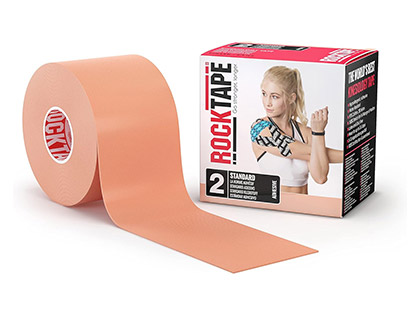
- Beige or lighter neutral shades
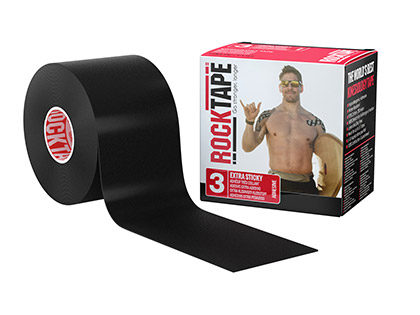
These colours may remain cooler in direct sunlight compared with darker options such as black, green or red.
While the difference may not always be noticeable during short periods outdoors, it could become more relevant during prolonged activity in warm, sunny conditions.
Who Could Benefit Most?
Choosing a lighter RockTape colour may be worth considering if you:
-
Run outdoors during summer
-
Cycle on exposed roads or trails
-
Enjoy hiking or long-distance walking
-
Play outdoor sports such as football, rugby, tennis or golf
-
Work outside for extended periods
-
Exercise during periods of hot weather or UK heatwaves
-
Wear kinesiology tape on exposed areas of skin
What Does the Research Actually Tell Us?
It is important to interpret the findings accurately.
The study investigated how different surface colours absorbed solar radiation using coloured materials attached to acrylic containers. It did not specifically examine RockTape applied to human skin, nor did it assess temperature changes during exercise.
Nevertheless, the underlying scientific principle remains relevant: darker surfaces generally absorb more solar energy than lighter ones.
For that reason, selecting a lighter RockTape colour during hot, sunny weather may be a sensible choice for people looking to minimise additional heat absorption on exposed areas of the body.
Reference
Paminto, J., Fianti, F., & Yulianti, I. (2021). The Effect of Surface Colour on the Absorption of Solar Radiation. Physics Communication, 5(1), 27–32.



Did you find this article useful?
Why not share this with a colleague, patient or friend?